Hampton Roads Cleanout Playbook: A Weekend Guide
Most weekend cleanouts stall for the same three reasons, and all of them can be fixed before you lift the first box.
October 16, 2026 · 4 min read
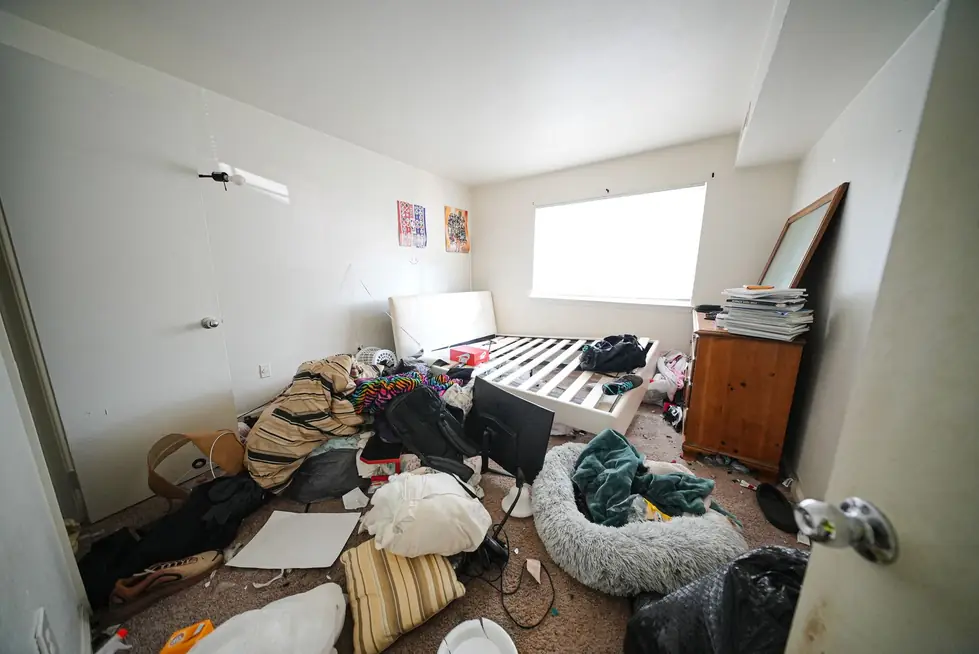
Almost every cleanout follows the same arc. Saturday morning you are motivated. By Saturday afternoon the driveway is covered in things you have already decided you do not want, and you are realizing that a broken treadmill, two mattresses and a particleboard dresser are not going in the back of a sedan. By Sunday night, half of it has drifted back into the garage. This guide is built to stop that from happening to you.
Before you start: the three things that stall a cleanout
The first is no staging space. You cannot sort a garage from inside the garage. You need a spot outside the space, such as a driveway, a tarp on the lawn or a carport, with room for everything to be laid out and seen. Without it you end up shuffling the same boxes from one corner to another for hours.
The second is no decision rule. Asking yourself whether you want something is a bad question, because the answer is usually a vague yes. Better questions are concrete. Have I used this in the last two years? Would I pay to move it to a new home? Do I already own a working version? Pick one rule and apply it to every item, so you are not renegotiating with yourself over every box of cables.
The third is the one that actually kills cleanouts: no plan for the pile you are throwing away. If you do not know where unwanted items are going before you begin, they pile up at the edge of the driveway, then slide back inside when the sun goes down. Decide in advance how each category will leave your property.
The four-pile method, step by step
Start by emptying the space completely. It feels like the wrong move, and it is the biggest time saver in the whole job. You cannot judge what you own until you can see all of it at once. Once everything is out, sort each item exactly once into one of four piles:
- Keep: items that pass your decision rule and have a real home.
- Donate: usable things in good condition that someone else will be glad to have.
- Sell: only things worth the effort of photos, listings and meeting strangers. Set a hard cap, such as ten items, and move the rest to Donate or Haul.
- Haul: everything else, including broken, stained, expired or unsafe items.
Resist the urge to create a maybe pile. A maybe pile is how one job becomes two.
With the space empty, take ten minutes to sweep and look closely at the walls and floor. Check for water stains, mildew or signs of pests while you can actually see them.
Plan your Haul pile before you sort
Your options for the Haul pile are few, and each one has trade-offs. Think through them while you are still motivated.
- Curbside bulk pickup, if your city offers it. Rules differ from city to city, so check your own city's website for what is accepted and when to set items out.
- Self-haul to a transfer station or landfill. Count the trips, the fuel and the time it takes to load and unload, not just the drop-off cost.
- A hauler who does the lifting and loading for you, from the garage, attic, shed or upstairs.
- A rental dumpster parked at your home, if the project is large or will run over several days.
What donation centers tend to turn away
Donation is the right first stop for anything genuinely usable, and it is usually faster than selling. Just go in with realistic expectations. Many donation centers turn away more than people expect, and arriving with a truckload of rejects is a wasted afternoon. Call ahead when you can, and plan on the Haul pile being larger than you hoped.
- Upholstered furniture with stains, tears, odors or pet damage
- Anything with visible mildew, which is a real factor for items stored in sheds and crawl spaces
- Non-working appliances and electronics
- Flat-pack furniture that will not survive another move
- Items with safety recall concerns, such as cribs, car seats and helmets
- Opened paint, chemicals and leftover building materials
When a hauler or dumpster makes sense
Sometimes the answer is a neighbor with a pickup and a free Saturday. If everything fits in one load, nothing is too heavy for two people and all of it is eligible for curbside pickup, doing it yourself is perfectly reasonable. The picture changes when the volume is more than one truckload, when there are stairs involved, or when the heavy items are the whole problem: appliances, a treadmill, a hot tub, a shed or a piano.
It also changes when you are working against a deadline. A closing date, a lease end, a move or an estate timeline all reward certainty. Haul Gone has been family-owned and working Hampton Roads since 2019. For jobs that need a few days of loading at your own pace, our 15 and 20-yard open-top roll-off dumpsters can be delivered to your driveway. If you would rather point at what goes and watch it leave, a full-service pickup does the lifting.
Finish the weekend strong
Whatever route you choose, leave the space cleaner than you found it and put the Keep pile back with a system: vertical storage, clear bins, heavy items low and labels on everything. If you skip that step, you will be doing this again in a year. And if you want help with the Haul pile, call Haul Gone at 757-354-8967 to talk through what you have and what makes sense.
Haul Gone, 757-354-8967
Call 757-354-8967More articles
5 Things to Look for in a Cheap Junk Removal Service
A low quote is only a good deal if the job gets finished, the property is respected and the number does not change on the day.
Why Are Professional Dumpster Services Important?
A dumpster is more than a big metal box in the driveway, and the company behind it shapes how smoothly your project goes.